Potatoes: Nutritional Perspective
History, agriculture, and nutritional role
The Potato in Northern England
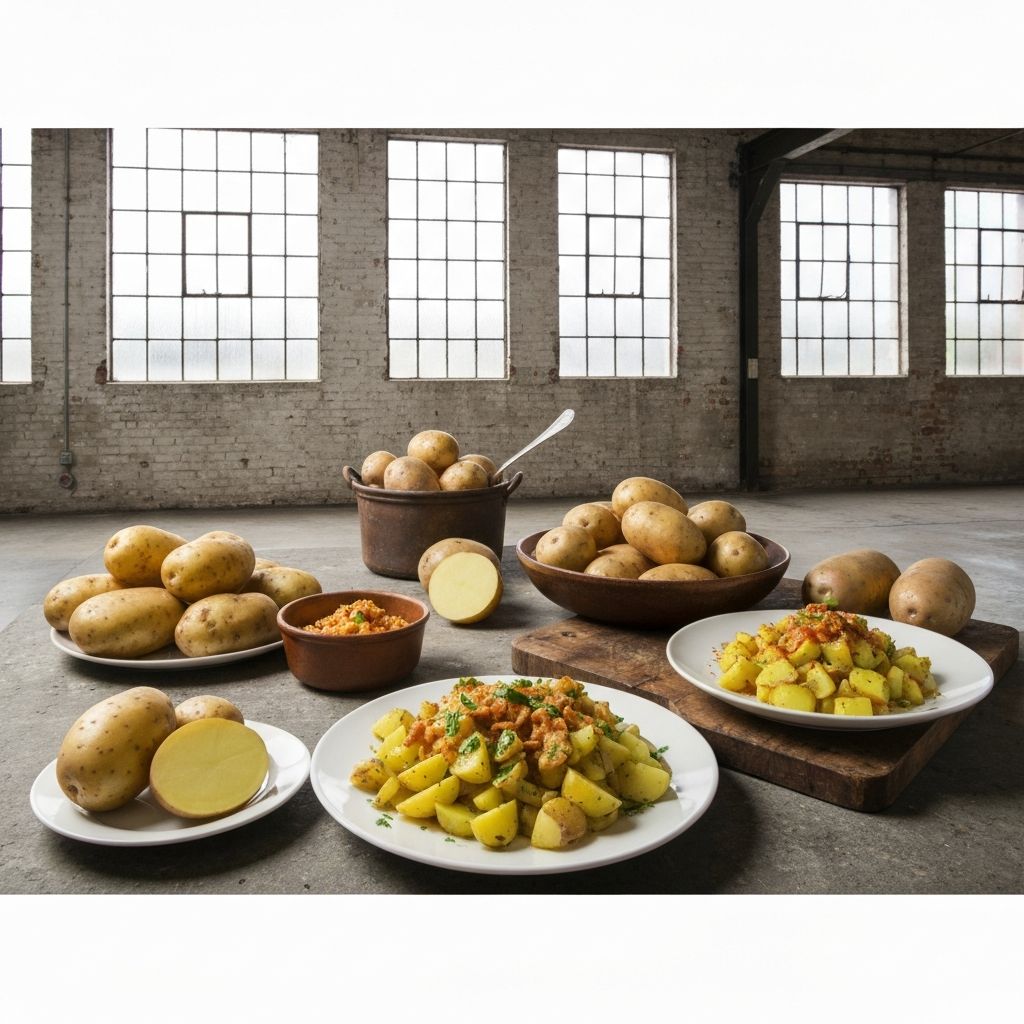
Potatoes became a fundamental crop in Northern England following their introduction from the Americas in the 16th and 17th centuries. The cool, damp climate proved well-suited to potato cultivation. By the 18th and 19th centuries, potatoes were absolutely central to northern diets and agricultural economy, feeding growing industrial populations in Manchester and surrounding areas.
Agricultural Significance
Potatoes offered advantages to northern farmers:
- High yield per unit of land
- Nutritionally dense calorie source
- Suitable for cooler climate growing
- Relatively easy to store through winter months
- Adaptable to various soil conditions
Nutritional Composition
Potatoes provide varied macronutrients and micronutrients, depending on variety and preparation:
- Carbohydrates: Primary macronutrient. Starch content varies with potato type.
- Protein: Modest protein content. Complete amino acid profile when combined with dairy.
- Fat: Minimal in plain potatoes. Content increases with preparation methods (frying, added butter/cream).
- Fiber: Significant in skin and with starch-based compounds. Amount depends on preparation.
- Micronutrients: Potassium, vitamin C, vitamin B6, manganese, phosphorus.
Potato Varieties
Different potato varieties have different properties:
- Starchy Potatoes: Higher starch content, fluffy when cooked, traditional for mashing
- Waxy Potatoes: Lower starch, maintain shape, better for salads and roasting
- All-Purpose Potatoes: Intermediate starch, versatile in cooking
- Specialty Varieties: Colored potatoes with different nutrient profiles
Preparation Methods
Nutritional content is influenced by preparation:
- Boiled: Minimal added fat, preserves nutrients reasonably well
- Baked/Roasted: Skin intact preserves fiber, minimal added fat optional
- Mashed: Often with butter and milk, increasing calorie density
- Fried: Significantly increases fat and calorie content
- Potato Products: Processed forms may contain added ingredients
Traditional Northern Potato Dishes
Potatoes feature prominently in Northern English cuisine:
- Mashed Potato: Often with butter and milk
- Chips/Fries: Deep fried potatoes, traditional accompaniment to fish
- Colcannon: Potato and cabbage mixture
- Bubble and Squeak: Fried potato and vegetable cakes
- Potato Soup: Hearty traditional preparation
Historical Impact
The potato's agricultural success had profound effects on Northern England. The population increase during the Industrial Revolution depended partly on potato cultivation providing affordable, reliable calories. The Great Irish Famine (1845-1852), caused by potato blight, demonstrated the vulnerability of populations dependent on single crop systems.
Modern Potato Consumption
Today potatoes remain widely consumed in Northern England and globally. Consumption includes fresh potatoes, processed forms (crisps, chips), and as ingredient in various prepared foods. Consumption patterns have shifted with urbanization and changing food availability.
Misconceptions about Potatoes
Some common beliefs about potatoes worth examining:
- Potatoes are inherently "bad": Potatoes themselves are neutral foods—nutritional value depends on preparation and amount consumed.
- White potatoes have no nutrients: They contain valuable micronutrients and fiber, especially with skin intact.
- Potatoes are primarily empty carbs: They contain diverse nutrients including resistant starch and fiber depending on preparation.