Urban Dietary Patterns in Greater Manchester
Contemporary food choices and regional trends
The Changing Manchester Food Landscape
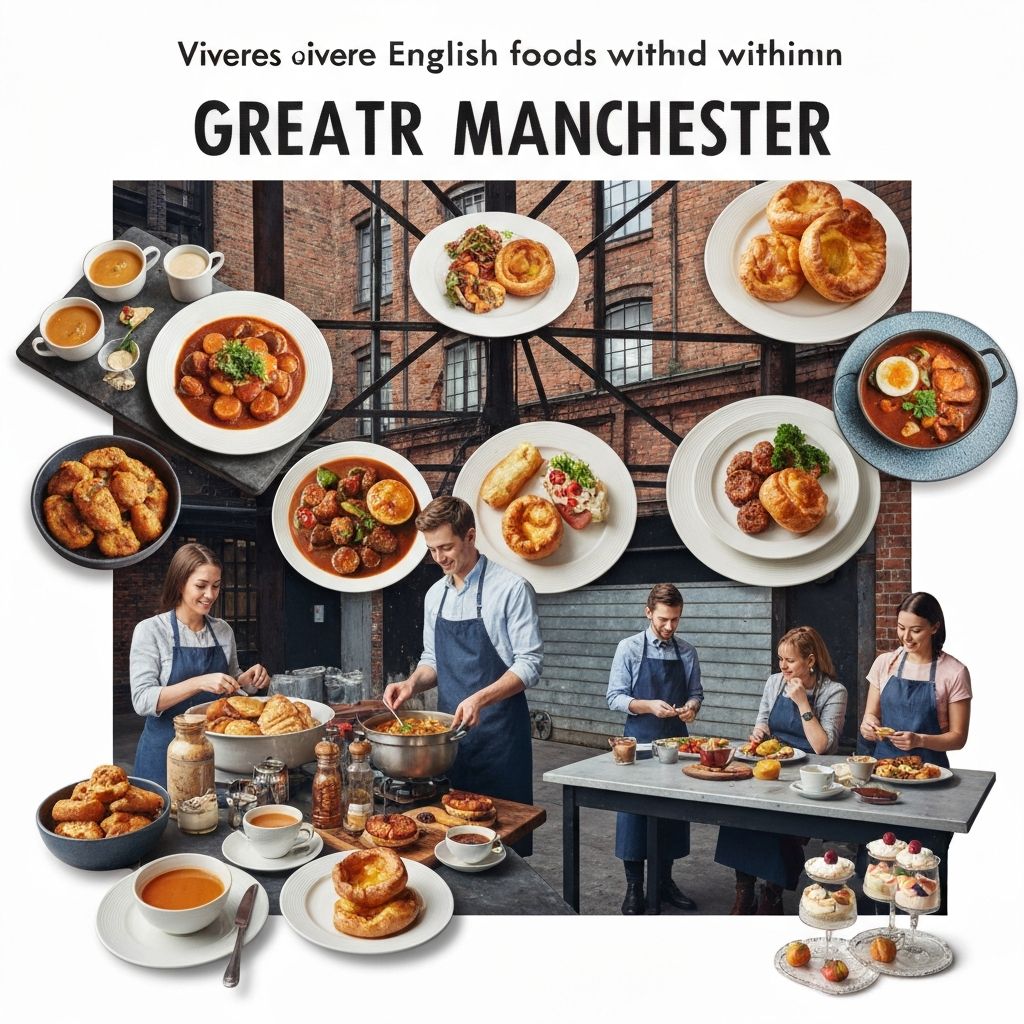
Greater Manchester's food culture has transformed dramatically from pre-industrial agricultural economy to contemporary urban center. Food availability, consumption patterns, and cultural influences have evolved alongside urbanization, globalization, and changing technology.
Historical Context
Manchester's industrial growth brought:
- Large urban population requiring efficient food supply systems
- Factory work patterns that changed meal timing and structure
- Immigration from diverse origins, bringing varied food traditions
- Development of industrial food processing and preservation
- Organized food retail and market systems
Contemporary Food Availability
Modern Greater Manchester residents have access to:
- Diverse cuisines reflecting global culinary traditions
- Seasonally diverse produce due to global food trade
- Processed and prepared foods of varying complexity
- Supermarket systems with year-round availability
- Specialized food retailers and online food services
- Street food and quick-service dining options
Traditional Elements Persist
Despite modern changes, traditional Northern English foods remain culturally significant:
- Fish and chips remain popular fast food
- Sunday roast traditions continue
- Regional dishes maintain cultural importance
- Seasonal celebrations feature traditional foods
- Family food traditions persist across generations
Demographic Diversity
Manchester's diverse population brings varied food traditions:
- South Asian cuisine influence significant in Manchester's food culture
- Chinese, Italian, Mediterranean foods widely available
- Caribbean, Eastern European, and other traditions represented
- Food cultural fusion and adaptation creating new traditions
- Religious dietary practices represented across the population
Socioeconomic Factors
Food access and choices are influenced by:
- Income and food affordability
- Geographic access to food retailers
- Time availability for food preparation
- Storage and cooking facilities
- Food literacy and knowledge
- Cultural and family food traditions
Work and Lifestyle Patterns
Urban employment has changed food consumption:
- Shift work affects meal timing
- Commuting reduces time for meal preparation
- Office work patterns influence eating schedules
- Take-away and prepared foods serve practical needs
- Social eating patterns differ from agricultural societies
Health and Nutrition Concerns
Public health surveillance provides descriptive data about Greater Manchester's dietary patterns and health outcomes. These patterns reflect complex interactions of food availability, individual choice, cultural factors, and socioeconomic conditions. Understanding patterns doesn't imply judgment of individual choices—it provides context for discussing nutrition within real communities.
Food Culture and Identity
Food choices reflect:
- Cultural identity and tradition
- Family and social connections
- Economic circumstances and access
- Personal preferences and taste
- Health beliefs and practices
- Religious and ethical values
The Role of Individual Choice
While structural factors influence food environment, individuals make choices within available options. These choices are influenced by preferences, knowledge, beliefs, culture, and circumstances—not by simple rules or universal nutritional prescriptions.
Looking Forward
Manchester's food landscape continues evolving with:
- Climate change affecting agriculture and food production
- Technological innovation in food systems
- Sustainability and environmental concerns
- Continued cultural evolution and immigration
- Economic changes affecting food affordability